
Pragmatic Language Skills for Meaningful Connections

What Is Pragmatic Language Therapy?
Social Interaction Skills
Developing the ability to initiate, maintain, and appropriately end conversations with others.
Understanding Social Cues
Learning to interpret body language, facial expressions, and tone of voice during communication.
Turn-Taking & Conversation Flow
Supporting children in taking turns, staying on topic, and responding appropriately in conversations.
Perspective Taking
Helping children understand others’ thoughts, feelings, and viewpoints in social situations.
Nonverbal Communication
Using eye contact, gestures, and facial expressions to support and enhance communication.
Problem-Solving in Social Situations
Teaching children how to navigate conflicts, misunderstandings, and peer interactions with confidence.
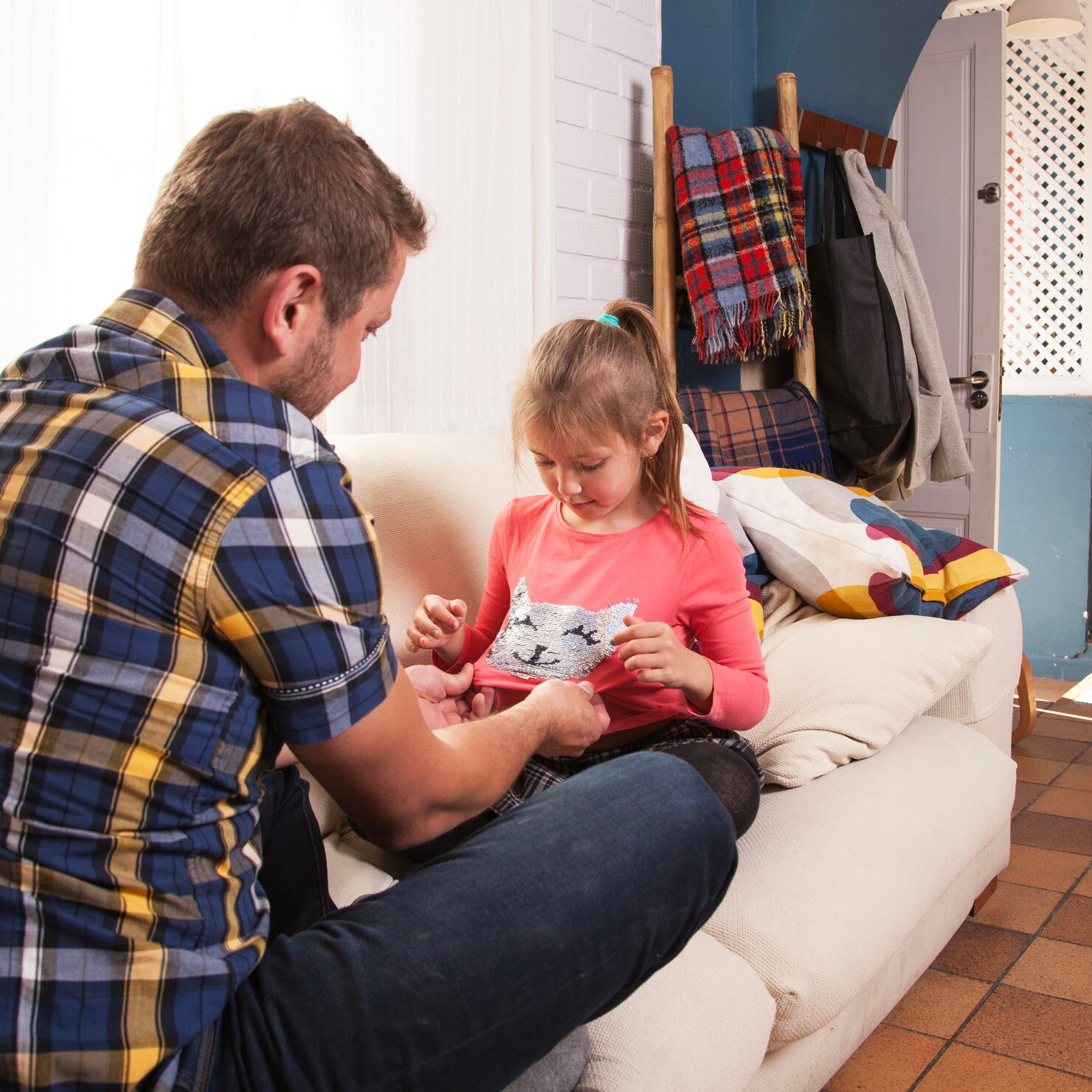
Is Your Child Struggling with Social Communication?
Signs to Look For:
- Difficulty starting conversations — may hesitate or avoid initiating interaction
- Trouble staying on topic — responses may seem unrelated or shift quickly
- Limited eye contact — may avoid or struggle to maintain appropriate eye contact
- Difficulty understanding social cues — trouble reading facial expressions or tone of voice
- Interrupting or talking over others — challenges with turn-taking in conversation
- Literal interpretation — difficulty understanding jokes, sarcasm, or implied meanings
The Connection Between Social Communication & Everyday Life
Strong pragmatic language skills support a child’s ability to build friendships, participate in
school, and feel confident in social environments.
When these skills are still developing, children may experience challenges that affect their daily
interactions.
Social Connections
Difficulty understanding social norms can make it harder to form and maintain friendships
Peer Relationships
Miscommunication may lead to confusion, frustration, or conflict with peers
Classroom Participation
Group work, discussions, and collaborative learning can feel overwhelming
Emotional Regulation
Difficulty expressing themselves socially may lead to frustration or withdrawal
Group Dynamics
Understanding and navigating group interactions can be challenging
Confidence
Ongoing social struggles may impact a child’s willingness to engage with others